Evorld

EV Basics

  1. What is an EV?

    Electric vehicles (EVs) are powered by electricity instead of gasoline, offering a cleaner, more efficient alternative to traditional gasoline cars. They reduce emissions, lower fuel costs, and require less maintenance than gas-powered vehicles.

    Types of EVs:

    • Battery Electric Vehicles (BEVs) – Fully electric, no gas needed.
    • Plug-in Hybrid Electric Vehicles (PHEVs) – Can run on both electricity and gasoline.
    • Hybrid Electric Vehicles (HEVs) – Not plug-in EVs, but related. A small battery and electric motor help the gas engine use less fuel.

  2. Why Go Electric?

    EVs offer several advantages over gas-powered cars:

    • Environmental Benefits – Zero tailpipe emissions contribute to cleaner air.
    • Cost Savings – Charging an EV is cheaper than refueling a gas car.
    • Lower Maintenance – Fewer moving parts mean lower repair costs and no oil changes.
    • Smooth & Efficient Performance – Instant acceleration and a quieter driving experience.
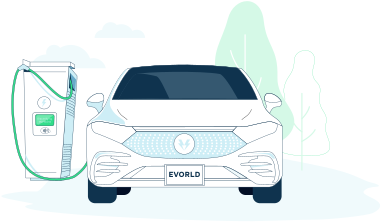
    • Convenient Charging – Charge at home or use a growing public charging network.
  3. Charging & Infrastructure

    Charging an EV is easier than ever, with options for every routine.

    Types of Charging:

    • Level 1 (120V): A standard home outlet. Slow, adding about 3–5 miles of range per hour.
    • Level 2 (240V): Faster charging at home, work, or public stations, adding about 15–35 miles per hour.
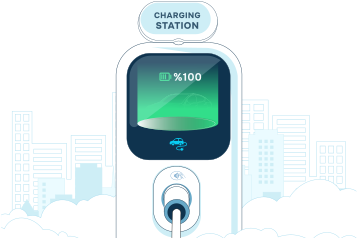
    • DC Fast Charging: The fastest option at public stations. Many EVs charge from 10% to 80% in about 20–45 minutes.

    Where to Charge:

    • Home: A Level 2 charger is the most convenient option for daily driving.
    • Public Networks: Tesla Supercharger, Electrify America, EVgo, ChargePoint, and more. Many Tesla Superchargers are now open to other brands.
    • Workplace: Many companies offer charging for employees.
  4. Battery & Range Considerations

    Most new EVs offer a range of 250-350 miles per charge, and some models exceed 400 miles.

    Factors Affecting Range:

    • Driving Style: Aggressive acceleration drains the battery faster.
    • Weather Conditions: Extreme heat or cold can impact efficiency.
    • Cargo Load: Heavier weight reduces range.
    • Battery Age: Most EV batteries last over 100,000 miles and come with warranties of 8-10 years.
  5. Incentives & Cost Savings

    Owning an EV can be more affordable than a gas car when factoring in incentives and operating costs.

    Ways to Save Money with an EV:

    • State & Local Incentives: Additional rebates may be available depending on location.
    • Utility Programs: Many electric utility companies offer discounted rates for EV charging.
    • Lower Fuel Costs: Electricity is typically less expensive than gasoline per mile driven.
    • Minimal Maintenance: No oil changes, fewer mechanical failures, and regenerative braking reduces wear and tear.
  6. Future of EVs

    The EV industry is rapidly evolving, with advancements that make electric cars more practical, accessible, and efficient.

    What’s Next?

    • Improved Battery Technology: Longer ranges and faster charging times.

    • Expansion of Charging Infrastructure: More public and ultra-fast charging options.

    • More Affordable Models: Increased production will lower costs.

    • Government Policies & Adoption: Many countries aim to phase out gas-powered cars in favor of EVs.

Join the waitlist